

A viral tweet laid out an unflattering ledger of Pawan Kalyan’s films over the past decade, attributing sizable box-office shortfalls to several of his projects. According to the post, BB talk lists losses such as GopalaGopala — 5 Cr, SGS — 35 Cr, KTM — 30 Cr, AGV — 70 Cr, VakeelSaab — 15 Cr, BheemlaNayak — 20 Cr, Bro — 35 Cr, and it flags HHVM as a looming huge loss. Numbers shared online are often debated, but this thread sparked conversation and the hashtag #SaveHHVMBuyers. Below we unpack each title, examine likely causes, and consider what these reported figures mean for the star, distributors and fans.
Pawan Kalyan: Reported Losses at a Glance

A viral tweet laid out an unflattering ledger of Pawan Kalyan’s films over the past decade, attributing sizable box-office shortfalls to several of his projects. According to the post, BB talk lists losses such as GopalaGopala , 5 Cr, SGS , 35 Cr, KTM , 30 Cr, AGV , 70 Cr, VakeelSaab , 15 Cr, BheemlaNayak , 20 Cr, Bro , 35 Cr, and it flags HHVM as a looming huge loss. Numbers shared online are often debated, but this thread sparked conversation and the hashtag #SaveHHVMBuyers. Below we unpack each title, explore likely causes, and look at what these reported figures imply for the star, distributors and fans.
GopalaGopala , Reported Loss: ~5 Cr

GopalaGopala is listed with a relatively small headline loss of about 5 crore. In the scale of the other numbers on the list this is a minor miss, one that can often be absorbed through satellite, music and OTT deals or balanced by overseas receipts. A 5-crore swing usually points to tight margins rather than outright failure: distribution splits, backend deals and marketing can nip into profits. For Pawan Kalyan and stakeholders it reads as a caution , not a crisis , but repeated small misses add up and influence how future rights and guarantees are negotiated.
SGS , Reported Loss: ~35 Cr
SGS shows a sizeable reported shortfall of roughly 35 crore, which indicates a larger structural problem than a one-off underperformance. Losses in this range usually mean a combination of hefty production or marketing budgets, inflated pre-release business expectations, and weaker-than-expected theatrical legs. Big star vehicles hinge on repeat business and word-of-mouth; if reviews, audience response or competition at release disappoint, the drop can be sharp. For distributors and financiers, a 35-crore hole is significant and often prompts stricter risk-sharing or lower minimum guarantees for the star's next films.
KTM , Reported Loss: ~30 Cr

KTM is credited with an estimated 30-crore loss, another heavy hit that typically signals a mid-to-high budget picture failing to sustain box-office momentum. Such deficits can stem from creative mismatch, marketing that misses the target audience, or unfortunate release timing against strong rivals. For star-led projects, initial openings may still be decent, but retention depends entirely on content. When the audience turnout dips after the opening weekend, distributors who paid steep advances struggle to recover. A 30-crore shortfall also pressures producers to be more conservative in cost structures and pre-sales in future deals.
AGV , Reported Loss: ~70 Cr
AGV stands out with a jaw-dropping reported loss of about 70 crore. Losses on this scale point to either very high production plus P&A costs or a market-wide failure to monetize theatrical, overseas and ancillary rights. A collapse early in the theatrical run that isn’t offset by profitable digital or satellite deals creates massive exposure for investors and distributors. Such an outcome reshapes the financing landscape: lenders demand stronger presales, and buyers push for lower guarantees or profit-sharing models. A reported 70-cr gap is a severe market signal that reverberates beyond a single film.
VakeelSaab , Reported Loss: ~15 Cr
VakeelSaab is reported at around a 15-crore loss , a mid-sized miss that could reflect a number of factors, from marketing and pricing to pandemic-related audience hesitancy at the time of release. Remakes and socially themed films sometimes open well but struggle for legs if the adaptation doesn’t resonate broadly. A 15-cr deficit is painful but often manageable through post-theatrical deals; however, it still dents distributor confidence. For Pawan Kalyan it underscores that star power alone cannot guarantee profitability without the right content, timing and a solid aftermarket strategy.
BheemlaNayak , Reported Loss: ~20 Cr
BheemlaNayak is listed with an approximate 20-crore loss. Mid-range losses like this usually reflect cost escalation , star salaries, action set pieces, or extended production schedules , combined with a theatrical run that didn’t deliver sustained footfall. Action-mass entertainers rely on repeat viewership; if narrative or execution problems blunt that repeat factor, collections flatten fast. Distributors who commit based on a star’s previous pull can take a hit, prompting a recalibration of minimum guarantees and rights valuations for comparable projects in the future.
Bro , Reported Loss: ~35 Cr
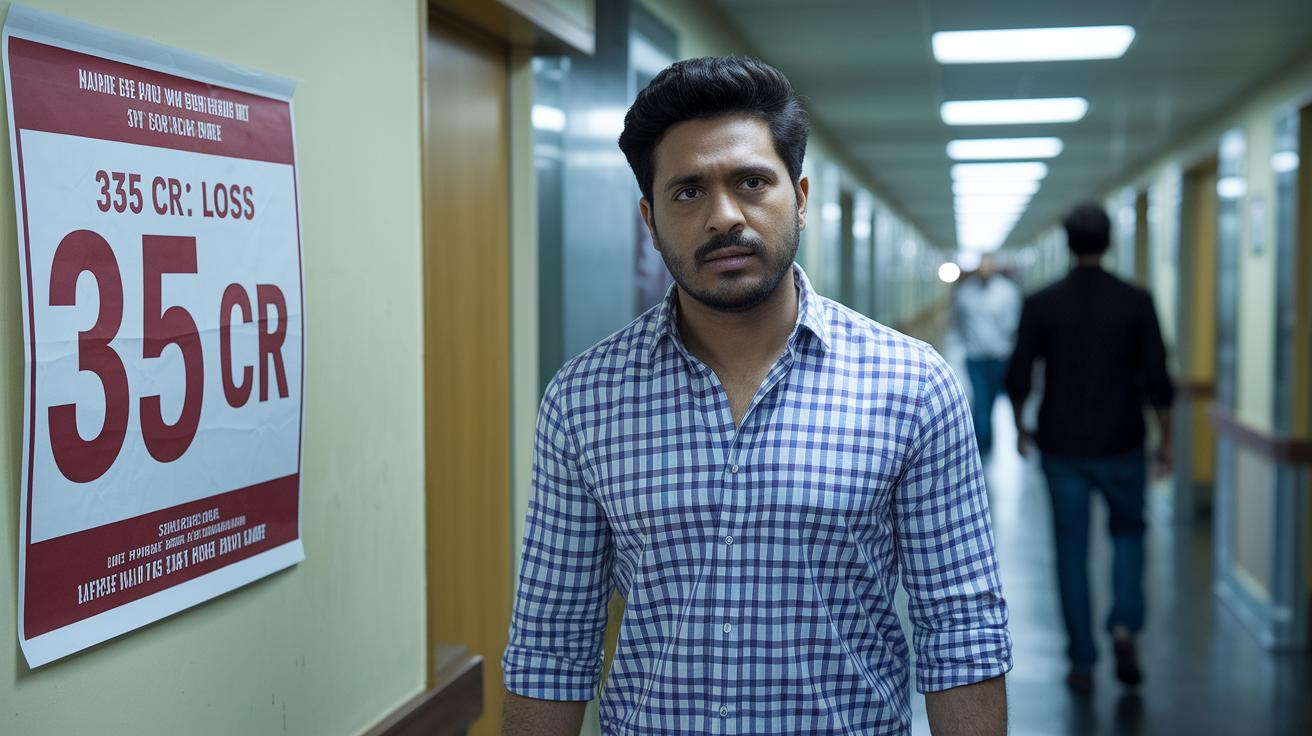
Bro appears on the list with another substantial reported loss, roughly 35 crore. Losses of this magnitude for a recent project usually mean the film failed to meet high pre-release expectations despite heavy promotion. Experimental or tonal shifts in a star’s on-screen persona can alienate core fans, and when marketing promises something that the film doesn’t deliver, word-of-mouth drops quickly. For the marketplace, repeated 30-40 crore shortfalls push distributors to seek stronger protections and push producers to diversify revenue sources before theatrical release.
HHVM , Warning: 'Huge loss venture loading'

HHVM is tagged in the tweet as a potential 'huge loss' and carries the fan-driven hashtag #SaveHHVMBuyers. This suggests concern about an upcoming or delayed project where pre-sales, advances or inflated expectations have created concentrated financial risk. When big investments are committed ahead of release, any delay, budget overrun, or market shift can transform that bet into mounting losses. The social media push reflects buyer anxiety and highlights a broader industry lesson: big star-led ventures need robust hedging, staged rights sales and realistic expectations if stakeholders want to avoid similarly exposed outcomes.